American Quiet: The Look I Keep Coming Back To
How I shoot: the camera low or high, light from behind, materials in motion, one color world per piece, and a grade that's rich but never muddy.
Every cinematographer has instincts they come back to when nobody is telling them where to put the camera. Mine have a name: American Quiet. It started as what I called my personal photography, and it runs through every campaign, commercial and brand film I shoot.
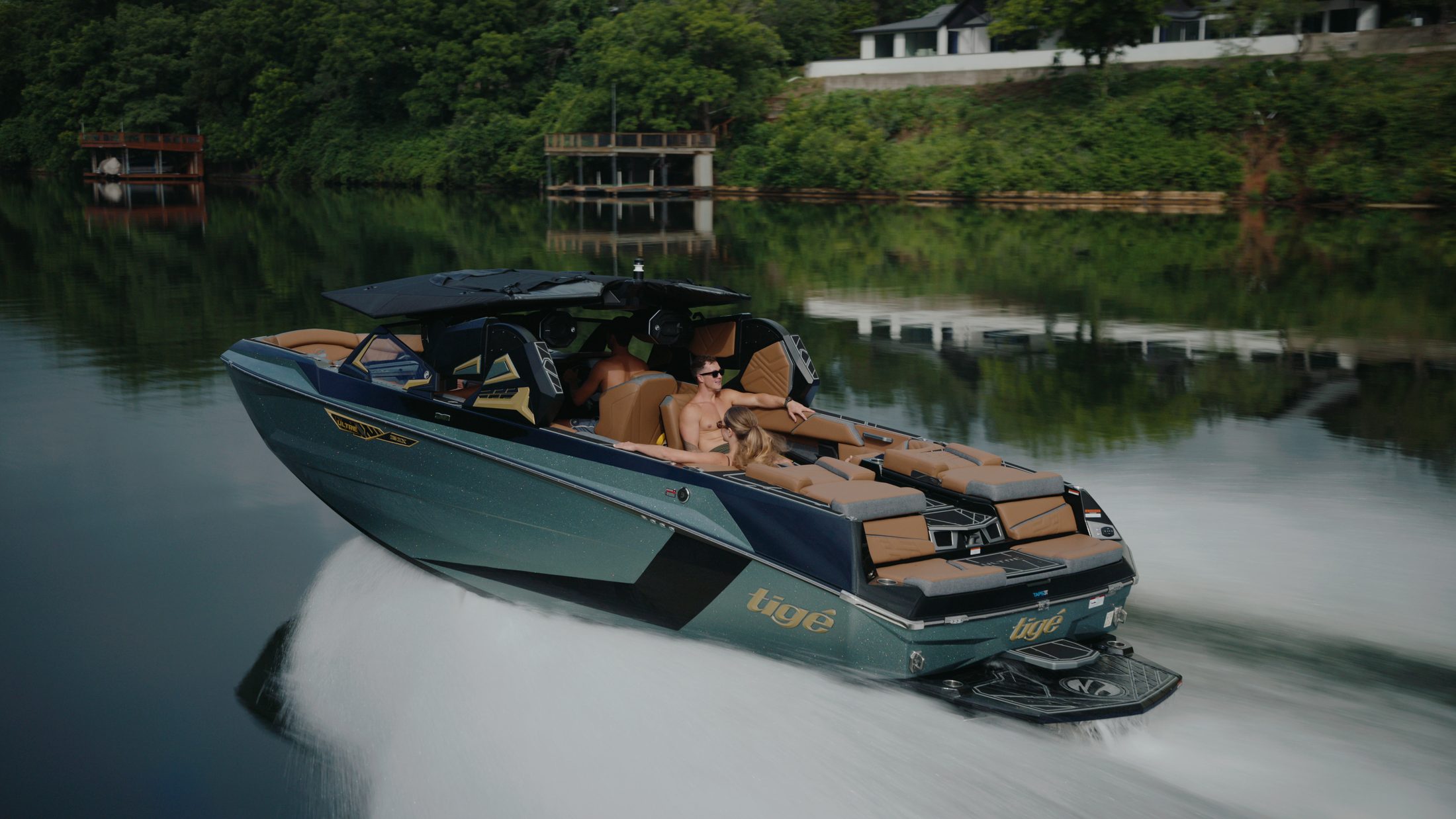
Quiet American heritage, shot like a film still. One subject against a big sky, seen from below or above, lit from behind, in a restrained teal and amber grade. Here's what that means on set.
Moody, Never Muddy
I like images dark and rich. Dark is fine. Muddy is not.
The difference is usually murk and a yellow cast, and I fight both from the moment I set the stop. Skin and wood stay warm. Water and sky go teal. Highlights hold, so almost nothing clips.
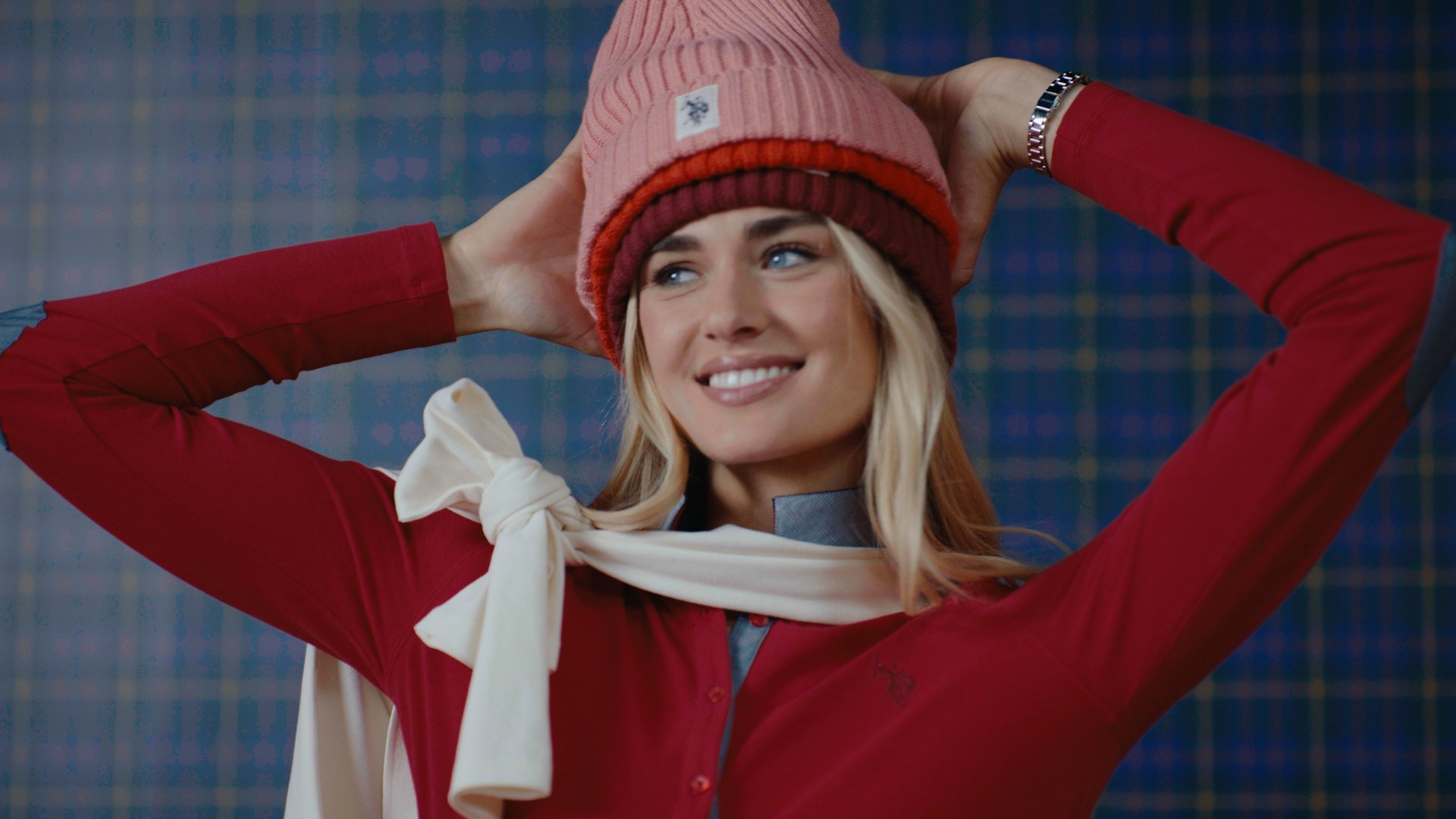
Every project runs through one consistent look of my own, applied once, and every frame I deliver is graded. Flat log is never the final.
Light from Behind
Backlight is my default. Spray that glows gold behind a wakeboarder. The sun burning through her hair from behind. Wake that lights up because the sun is behind it, not beside it. Horses and riders warm under the oaks.
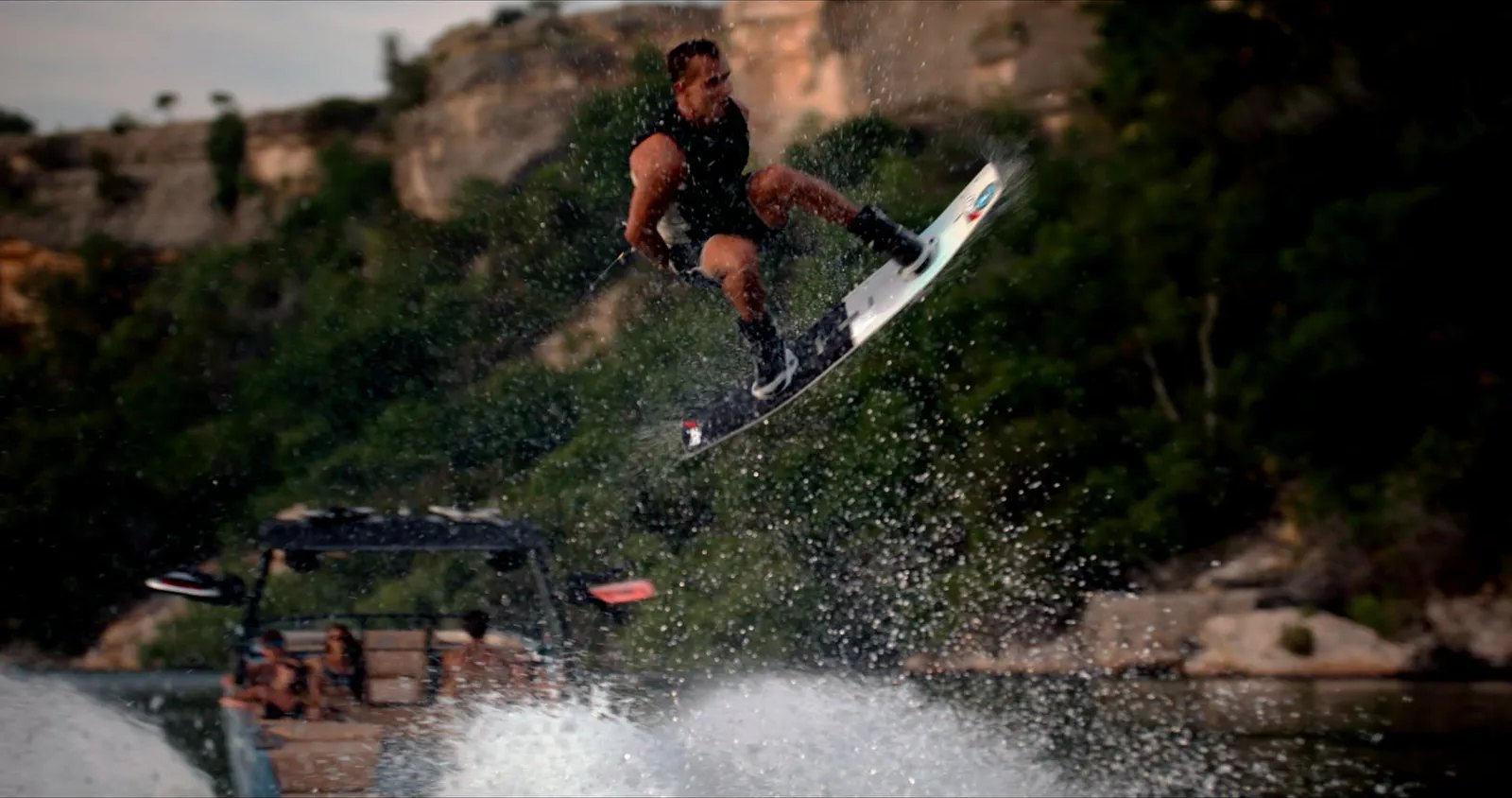
Front light shows you what something looks like. Backlight shows you what it feels like. I plan setups around where the sun will be, because the right backlight separates the subject, gives the air texture, and does half the grade before the footage reaches the suite.
Let Materials Move
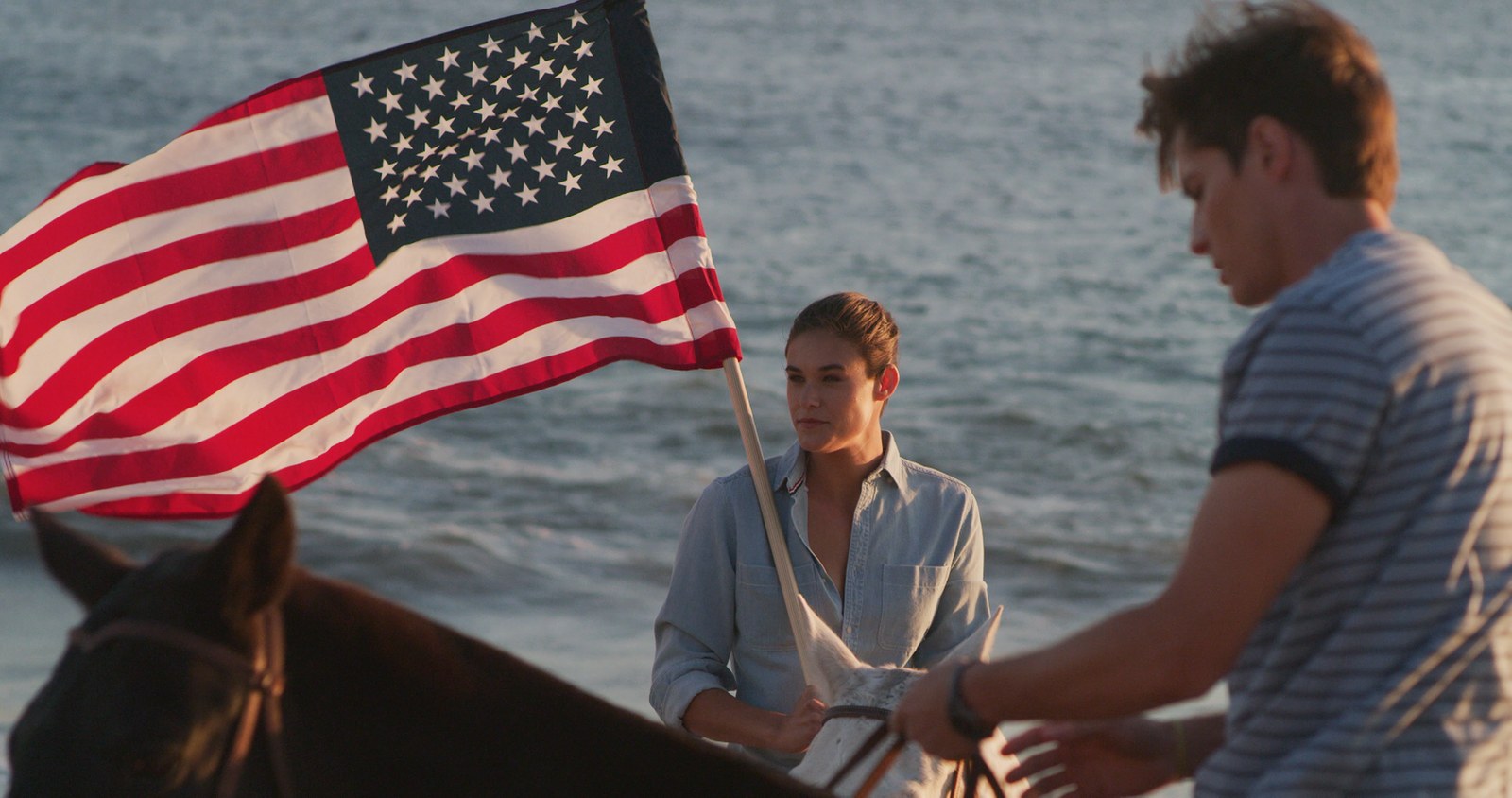
When something moves in my frame, I make it a material: a flag snapping in the wind, powder thrown off a speaker, fabric in water, wake and spray. Materials read as motion even in a single frame. A flag cracking over the surf is a moving image frozen, not a posed one, and that's why these frames hold up as key art and stills, not just as moments in a cut.
Shoot from the Ground or the Sky
Eye level is where images turn generic, so I rarely leave the camera there.
I go low and wide and look up at the subject against open sky, or straight overhead until the frame becomes a pattern. A water tower from the dirt. A monument from its base. A single boat, small, on a field of dark water, seen from straight above.
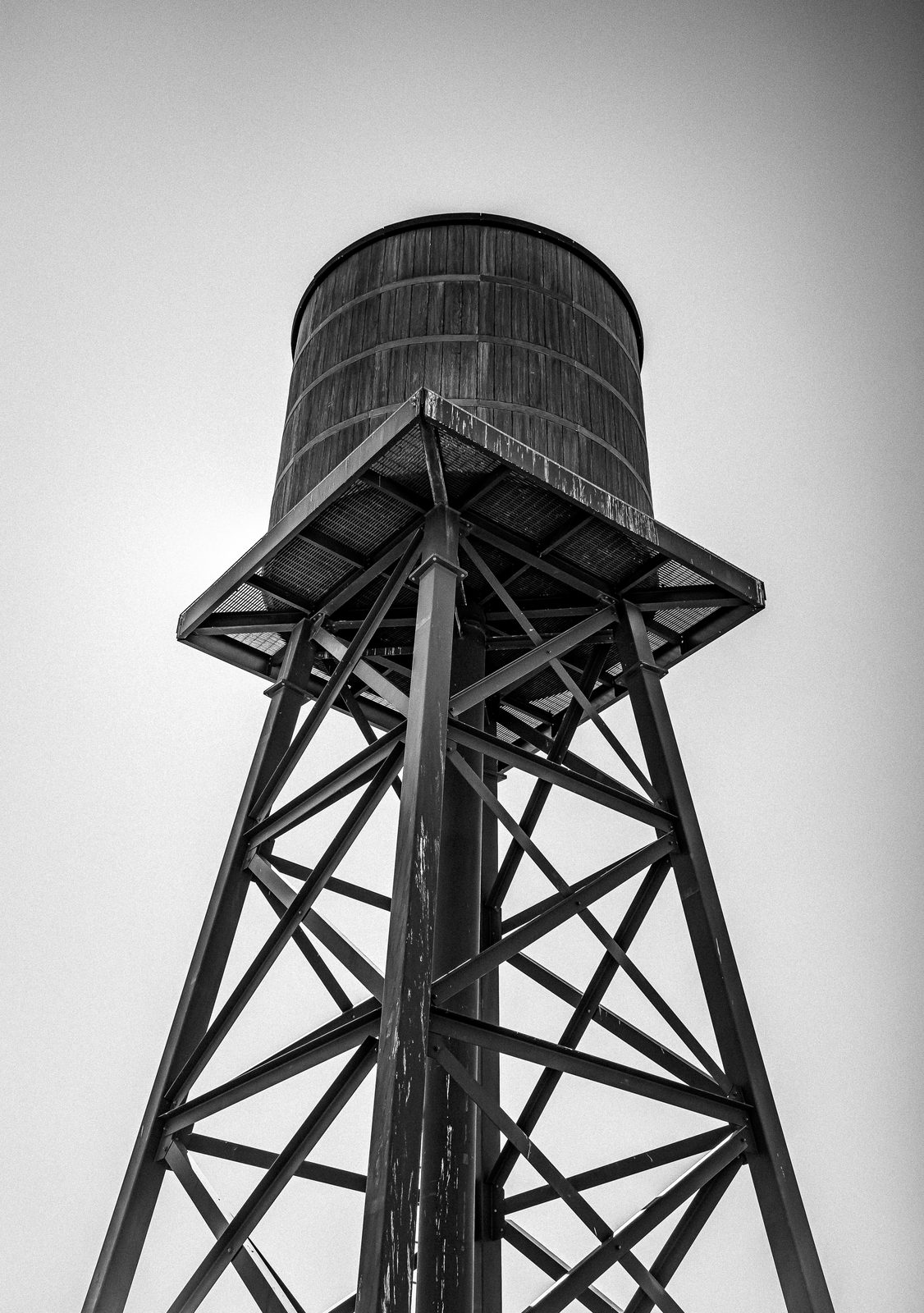
Height is a decision. If I can't say why the camera is at eye level, it shouldn't be.
One Color World per Piece
In studio and product work I build one controlling color into the set, the light and the grade, and I hold it. Mustard behind a deviled egg. A red curtain behind a vintage TV. Teal haze around a single headlamp. The product sits inside that world instead of fighting it.
Two strong colors fight. One strong color is a decision, and it's what makes a frame feel designed rather than just lit.
Monochrome Is the Native Language
Much of my personal work is made on a Leica M10 Monochrom, a camera that only sees in black and white. It trained how I read every frame. I grade the way I see in black and white: shape the tones first, then add color.
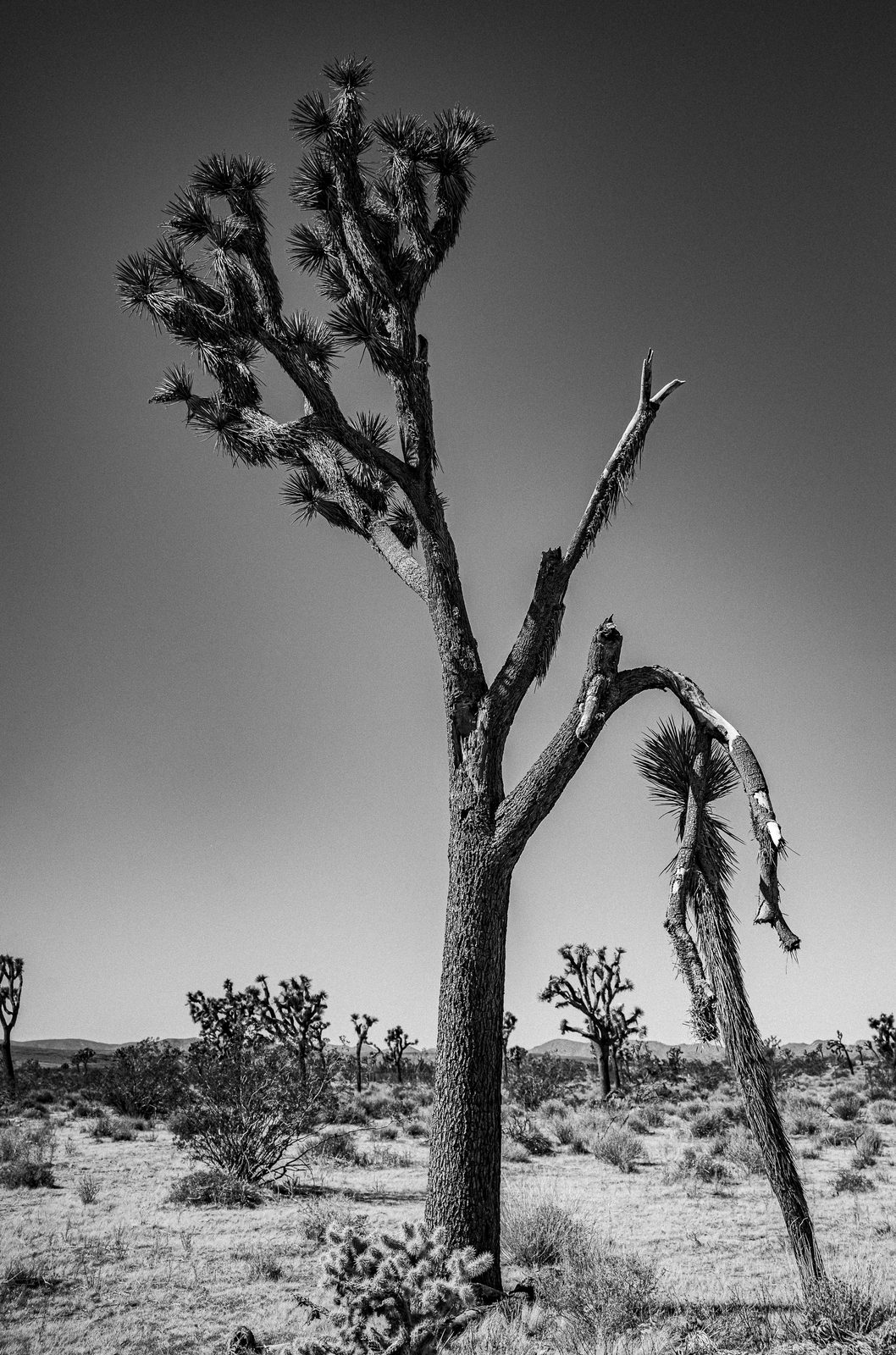
If a frame doesn't hold up in monochrome, color won't save it.
Stills Hold Silence. Motion Has to Hit.
I shoot both, and the rules change between them.
A still can rest on a tiny figure under a huge sky. An empty bench. A single tree on a ridgeline. Scale and emptiness carry the frame.
A moving frame needs energy instead. I get close, give the subject something to do, and catch it at its peak: a blanket snapping open in one sweep, a flag cracking in the wind.
The Frame Is Built Before the Shoot
Previs and pre-production are the most important part of how I work. Every project starts with a deck of reference frames for light, color and composition, so the director, client and crew agree on the look before anyone touches a camera.
Then every setup is built in 3D: camera position, lens, light placement and the path of the sun. Problems get solved on a screen, not on the clock, and the schedule comes straight from the previs.
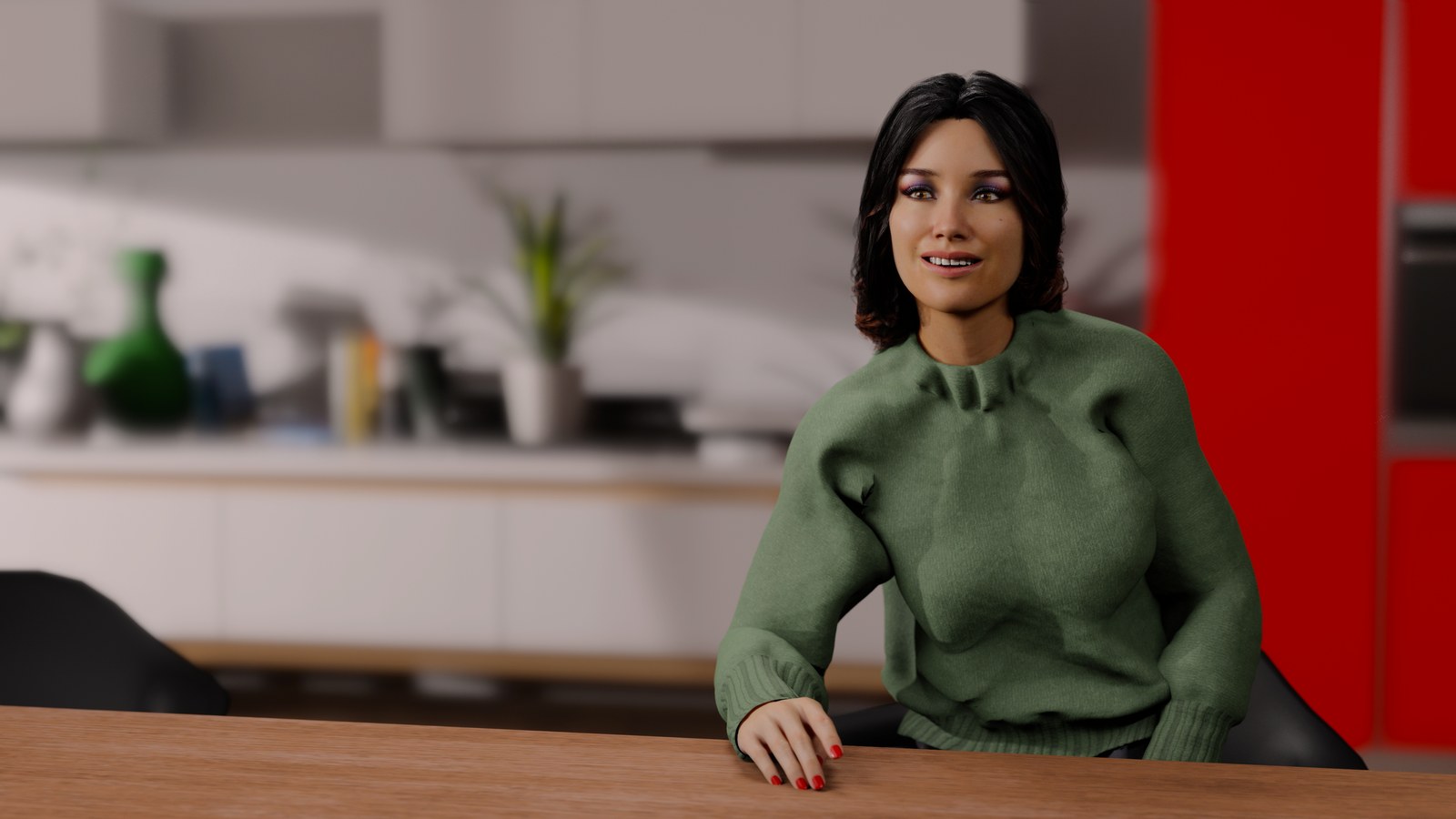
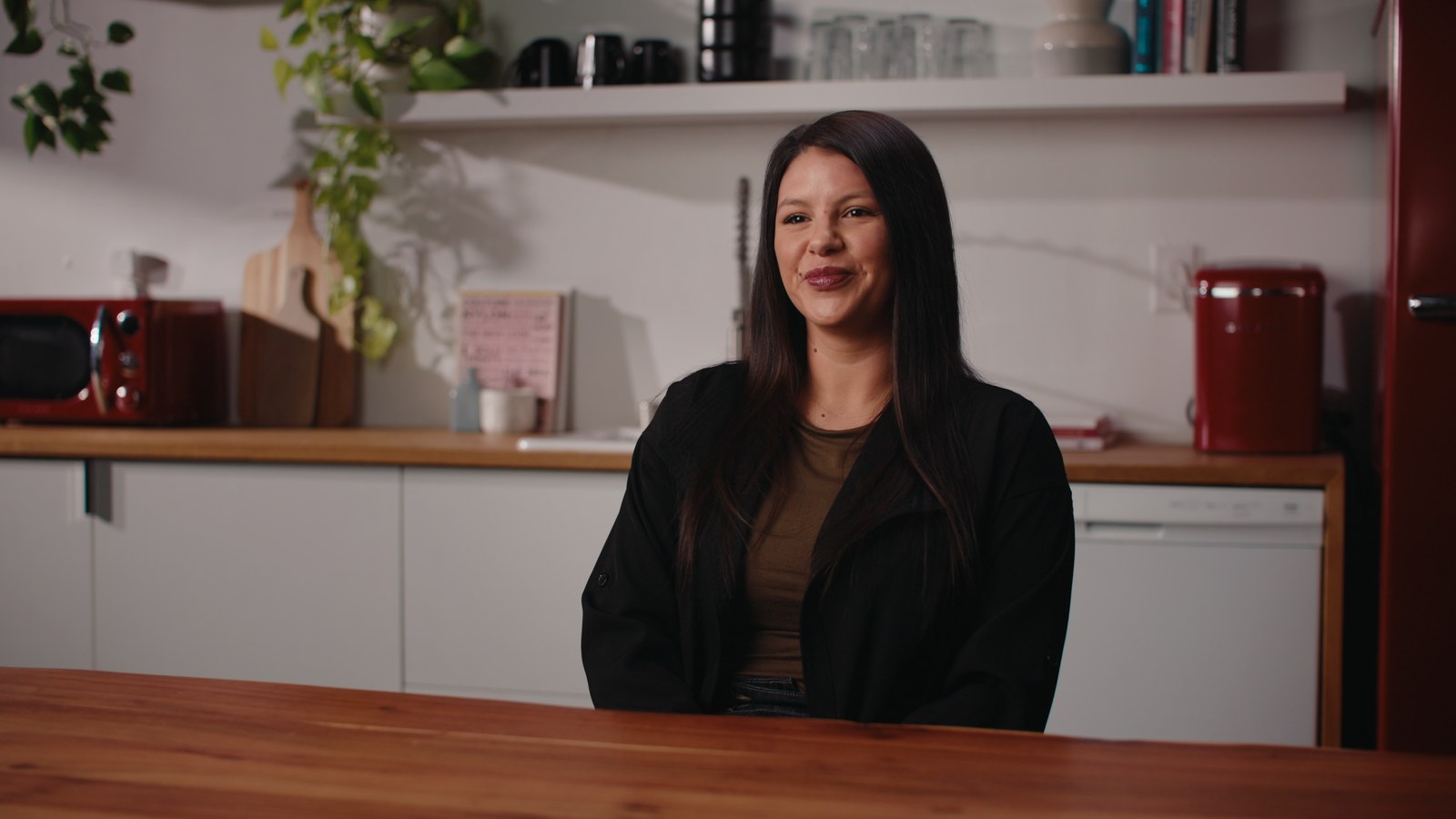
Because the frames are already designed, the day runs fast, the shots match the previews, and there is room left to chase the moments you can't plan.
One Eye, Many Briefs
The same instincts carry across very different work: apparel campaigns for U.S. Polo Assn., boats on open water for Tige, spirits and product in a single controlled color, food in the studio, music performance, automotive, aerial and industrial.
On motion I shoot RED V-RAPTOR 8K VV and Nikon ZR. Stills are Leica: the M10 Monochrom and the Q3. Aerials come from the drone. Everything is captured in log and delivered finished in the grade.
What You're Hiring
A cinematographer who decides where the camera lives instead of defaulting to eye level, plans the day around the light, and hands over frames that are already finished. If that's the look you want for your next campaign or brand film, let's talk.
The interactive companion lays out each of these with the frames side by side, including a slider that compares a camera original with the graded frame. More of the work lives in the Visual Library, searchable by what's in the shot.